
Technology in the Modern World: Evolution, Influence, and Future Trends
INTRODUCTION
Technology has become an integral part of everyday life, influencing the manner in which people interact, acquire skills, work, and live. During the past decades, the rate at which technology has progressed has been unforeseen, resulting in a change in the manner in which the world operates and changing the boundaries of the possible. Technology continues to impact almost all facets of life, starting with the development of the internet, the smartphone, artificial intelligence, and cloud computing.
In this modern technology age, technology has become not a luxury but a requirement. A company must use technology if they hope to stay on top, a nation must use technology if they hope to run efficiently, and a person must use technology if they hope to be an educated, healthy, and entertained member of this world. It is a requirement to be aware of the history of technology and a prediction of what is to come.
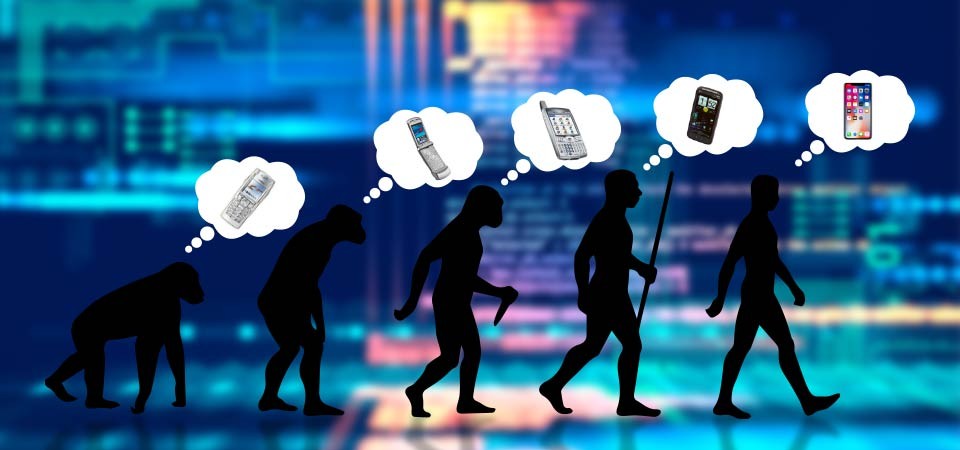
In this article, we examine the development of technology, the relationship of technological developments to other aspects of society, as well as the trends that emerge as determinants of the future. An article such as this could serve as an informative, original, and AdSense-compliant topic in educational and professional blogging.
The Development of Technology through the Years
Historical Technological Advances
Technology has always existed from the earliest forms of human society. Simple technologies developed from materials such as stone, wood, and metals enabled early humans to hunt, farm, and construct dwellings. Technological advancements enabled the development of more complex technologies. Examples of major milestones in human development are the development of the wheel, writing, and simple machines.
From here, societies developed, and technologies evolved accordingly. Technology related to farming enabled increased food production, hence growing populations and formation of cities. Later, further technological advancement prompted development of technologies using steam and electricity, hence revolutionizing industries like manufacturing, transport, and communication.
The Digital Revolution
The digital revolution started in the late 20th century and represented the end of an era in technology. The development of computers and the internet changed the way information was stored and shared. Digital technology transformed the way people communicate. It made communication faster and more convenient.
Personal computers were widely used, allowing new ways of working. Software applications could be created, which enabled people to accomplish difficult tasks very easily. The world wide web, or the internet, linked the entire world, thus building a massive networking tool for the exchange of information.
Technological Advancements and the Emergence of the
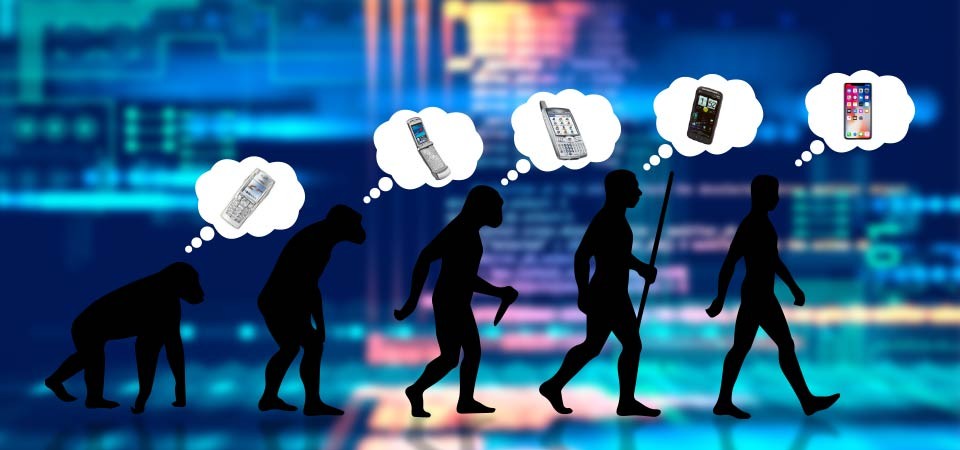
Mobile technology has also contributed to rapid technological adoption. The availability of smartphones and tablets has empowered people to carry computing power in their hands, enabling them to access various forms of information at any time and from anywhere in the world. Mobile applications have revolutionized various business sectors, such as retail, transportation, learning, and entertainment, among others.
The adoption of mobile technology has also influenced the behaviors of consumers today. Customers have come to expect immediate service, real-time communication, and personalized online experiences. Mobile technology has, therefore, influenced business organizations towards adopting a mobile first approach and investing in mobile innovation.
Social Media and Communication Devices
Technology has also affected communication in a major way. Digital communication platforms like emails and video conferencing software enable people to communicate instantaneously, regardless of the distance between them. Communication on social media platforms has also offered new avenues to share information and communicate ideas, opinions, and even emotions. Such interconnection has fostered more relationships worldwide, allowing for collaboration across borders. On the other hand, it has brought about issues in dealing with information, privacy, and security on the internet. Knowing how to use communication technology in an appropriate manner has become vital in today’s world. Technology in Education
Educational Education has been transformed by technology, as technology has made learning flexible. Online classes, e-books, and virtual classes enable students to learn at their convenience and from any corner of the world. Education technology assists students in learning at their own pace, concentrating on their strengths and rectifying their deficiencies. Classroom teachers are leveraging technology to improve engagement and monitor student progress more effectively. Technological advancement also opens doors for lifelong learning, where an individual can develop new skills to cope with a shifting job market. With the ever-changing face of the educational sector, the role of technology in the future will be more significant in designing the delivery of information.
Technology and Healthcare
Technology, Healthcare has received immense advancements through technological innovations. Electronic medical records, telemedicine, and sophisticated medical equipment have made significant changes in the way patients are treated. Physicians today have the capability to provide accurate diagnoses, track patients from a distance, and treat patients with sophisticated equipment. Technology has also increased the accessibility of healthcare, especially for those living in rural areas. Telehealth has enabled patients to receive care from medical professionals without necessarily traveling long distances. As technology advances, the potential to enhance the quality of life for human beings and enhance life longevity cannot be overstated.