
Digital Transformation of Businesses
Technology has become a driving force behind economic growth and business innovation. Companies across all industries are adopting digital tools to improve efficiency, reduce costs, and enhance customer experiences. Digital transformation involves integrating technology into every aspect of a business, from operations and marketing to customer service and data management.
Cloud computing allows organizations to store and process large amounts of data securely, while automation tools streamline repetitive tasks. Data analytics enables businesses to make informed decisions based on real-time insights. These technological advancements help companies remain competitive in an increasingly digital marketplace.
Small and medium-sized enterprises also benefit from technology by gaining access to global markets. E-commerce platforms and digital payment systems allow businesses to sell products and services internationally without the need for physical locations. This accessibility has created new economic opportunities and encouraged entrepreneurship.
E-Commerce and Digital Payments
The rise of e-commerce has transformed how consumers buy goods and services. Online shopping platforms provide convenience, variety, and competitive pricing, making them increasingly popular worldwide. Consumers can compare products, read reviews, and make purchases from the comfort of their homes.
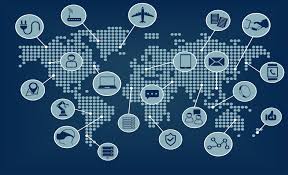
Digital payment technologies, such as mobile wallets and online banking systems, have made transactions faster and more secure. These systems reduce reliance on cash and improve financial inclusion by allowing more people to participate in the digital economy. As technology continues to evolve, digital commerce is expected to grow even further.
Technology and Globalization
Technology has accelerated globalization by connecting markets, businesses, and individuals across borders. Advanced communication tools enable companies to collaborate with international partners and manage global teams. Logistics and supply chain technologies improve efficiency and transparency, allowing goods to move quickly and reliably around the world.
Globalization supported by technology has led to increased cultural exchange and economic interdependence. However, it also presents challenges such as increased competition and the need for workers to adapt to new skills. Understanding these dynamics is essential for navigating the modern global economy.
Automation and the Future of Work
The Rise of Automation
Automation refers to the use of technology to perform tasks with minimal human intervention. It is increasingly used in manufacturing, logistics, customer service, and many other sectors. Machines, software, and artificial intelligence systems can perform repetitive tasks more efficiently and accurately than humans.
While automation improves productivity, it also raises concerns about job displacement. Certain roles may become obsolete as machines take over routine tasks. However, automation also creates new job opportunities in technology development, system maintenance, and data analysis.
Artificial Intelligence in the Workplace
Artificial intelligence (AI) is playing a growing role in shaping the future of work. AI-powered tools can analyze large datasets, predict trends, and assist with decision-making. In customer service, chatbots handle common inquiries, allowing human employees to focus on more complex tasks.

AI also supports human workers by enhancing efficiency rather than replacing them entirely. For example, AI systems can help professionals identify patterns, reduce errors, and improve productivity. As AI technology advances, collaboration between humans and intelligent systems will become increasingly important.
Skills for the Future Workforce
As technology continues to evolve, the demand for certain skills is changing. Technical skills such as programming, data analysis, and cybersecurity are becoming more valuable. At the same time, soft skills like critical thinking, creativity, and communication remain essential.
Continuous learning is crucial for staying relevant in the modern workforce. Online learning platforms and digital training programs provide opportunities for individuals to develop new skills and adapt to technological changes. Investing in education and skill development will be key to future career success.
Advantages and Challenges of Technological Growth
Benefits of Technological Advancement
Technological progress offers numerous benefits, including increased efficiency, improved quality of life, and expanded access to information. Technology enables innovation in healthcare, education, transportation, and many other fields. It also empowers individuals by providing tools for communication, learning, and self-expression.

By automating tasks and optimizing processes, technology allows people to focus on creative and strategic activities. This shift can lead to greater job satisfaction and economic growth. Overall, technology has the potential to solve complex problems and drive positive change in society.
Challenges and Ethical Considerations
Despite its advantages, technological growth also presents challenges. Issues such as data privacy, cybersecurity, and digital inequality must be addressed. Not everyone has equal access to technology, which can widen social and economic gaps.
Ethical concerns related to artificial intelligence, surveillance, and data usage are increasingly important. Ensuring that technology is developed and used responsibly requires collaboration between governments, businesses, and individuals. Creating fair and transparent systems is essential for maintaining trust in technology.